


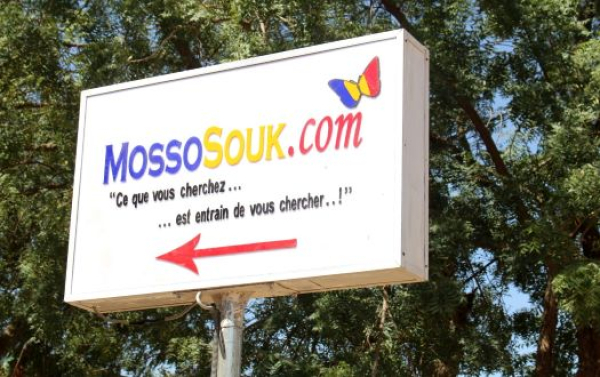
The solution was launched in 2015, years before the coronavirus pandemic that gave a new impetus to the African e-commerce industry. It aimed to give a customized and revolutionary platform to residents in its native country, Chad.
Mossosouk is an online marketplace developed by a Chadian startup. It enables users to purchase various products. It also enables merchants to set up their virtual stores to reach more buyers.
"Many merchants didn't understand the [power of Internet]. We had to educate them to let them know that selling online was all to their benefit," says Andreas Koumato, founder and CEO of the startup behind Mossosouk.
The solution offers a mobile app, accessible on Android and iOS devices. Once they set up their accounts, users can access a wide range of products, including electronics, beauty, sports, and IT products, as well as special offers and promotions. Mossosouk also offers an option for tracking orders, from purchase to delivery. Delivery is handled by another department of the platform.
Merchants can also open virtual stores on the platform. To do that, they need to visit the platform, click the “Become a seller” button and follow the prompts. The e-commerce platform will require certain information and documents to validate sellers’ accounts.
For the time being, Mossosouk claims over 250 sellers. The Android version of its mobile application has already been downloaded more than 500 times. The company has not yet raised any funds but it plans to expand outside Chad and eventually become a reference in the African e-commerce industry.
Adoni Conrad Quenum
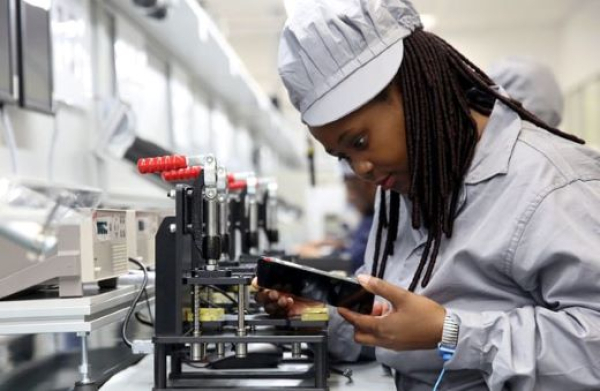
In Africa, millions of residents still live with no access to high-speed Internet. The situation, which is the result of several factors, including poor telecom coverage and the cost of suitable phones, threatens digital inclusion, which is supposed to drive development.
On Tuesday, June 13, Angola's LiraLink Tecnologia and China's ZTE signed a partnership agreement to set up a cell phone assembly plant in Angola. The assembly plant, due to be operational in 2024, will focus on the manufacturing of 4G and 5G handsets.
The documents officializing this agreement were signed by LiraLink Managing Director Walter João and ZTE Group Vice President Ni-Fei, under the supervision of Angolan ICT Minister Mário Oliveira, on the sidelines of Angola's International ICT Forum (ANGOTIC), held from June 12 to 14.
The project was initiated to bring quality and affordable phones to the Angolan market. In its 2020 report "From luxury to lifeline: Reducing the cost of mobile devices to reach universal internet access", the Alliance for Affordable Internet (A4AI) found that the cost of smartphones is still quite high.
In the 187 countries surveyed, the average cost of a smartphone represents around 26% of an average monthly per capita income, or $104 according to A4AI. In some countries and regions, the cost is even higher.
In South Asia and sub-Saharan Africa, for example, the average cost of a smartphone exceeds 40% of the average monthly per capita income. "Even worse, in the Least Developed Countries, the average person would have to spend over half of their monthly income to buy a smartphone. Those in low-income countries have to spend almost 70% of their average monthly income to purchase the cheapest available smartphone on the market."
According to Lúcia Yang, ZTE's commercial zone manager, the smartphone assembly plant to be set up will also have a support center to meet customers' needs.
Muriel Edjo

Owing to the number of middlemen in the agricultural value chain, food prices usually skyrocket from farms to markets. Despite that fact, farmers are usually unable to make decent living income from their products while consumers have to pay high prices for those same products. Jangolo wants to change that.
Jangolo is an e-commerce platform developed by a Cameroonian start-up. It gives consumers direct access to fresh produce via its web and mobile platforms. The Douala-based start-up behind the platform was founded in 2016 by Bertrand Foffe, Rodrigue Kwanga, and Paulin Nguekam. The aim is, among other things, to reduce local producers' post-harvest losses and boost consumers' purchasing power.
"We realized that by the time products go from farms to markets in Douala, their prices usually rise three folds on average. At least six middlemen intervene in the process, putting much pressure on the farmer who sells at a loss,” said Bertrand Foffe while expanding on the reasons that prompted the launch of Jangolo.
So, with two friends, Bertrand Foffe embarked on the Jangolo adventure. The start-up has developed an Android app, Jangolo Farm, which simplifies the buying process by allowing users to add products to their basket even when they are offline and validate the order when online. Users can also order via the web platform. Before anything, a user needs to be logged in or register an account. Once the orders are validated, the start-up's delivery service takes care of the delivery.
"Our services are focused on improving the living and working conditions of local farmers. We support farmers in their day-to-day operations. This means they can focus on their core business, and no longer worry about marketing” aspects, adds Bertrand Foffe.
Currently, the startup is only available in Douala. It says it is currently unable to serve other cities because some areas are hard to reach. In the areas covered, delivery costs CFAF500 (around $0.82). Buyers also have the choice to go to one of the startup’s sales outlets to simply pick their orders.
Jangolo boasts over 70,000 users, more than 5,000 products on its platform, and over 600 shops. Its application has already been downloaded more than a thousand times, according to Play Store data.
Adoni Conrad Quenum
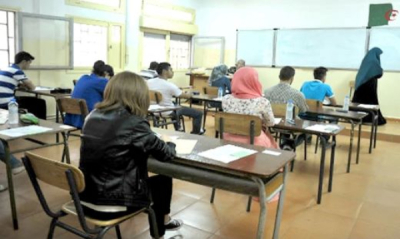
Internet is nowadays considered an essential tool for most of our daily activities. The service, which demonstrated its importance during the Covid-19 crisis, is also considered a threat depending on the context in which it is used.
Fixed and mobile Internet connections were severely disrupted throughout Algeria on Sunday, June 11, because of the 2023 baccalaureate exam. Social networks, instant messaging, and certain websites were blocked to prevent fraud during the exam.
The disruptions are set to continue till the end of the exam, on June 15. It is a government decision that follows previous years’ pattern when the government cut internet access on exam days and exam sessions.
Internet disruptions affect more than 49.45 million fixed and mobile subscribers (according to the latest figures from the telecom regulator ARPCE). This represents 91.31% of all internet users in the country where the service is essential for cabs, delivery drivers, restaurants, online clothing stores, etc.
In Algeria, the baccalaureate exam period is always a frustrating time, with Internet access restrictions and the resulting disruption to business activities. This is because the government has taken the radical decision to limit access after several unsuccessful attempts to prevent exam malpractices. Years earlier, the government had tried less radical measures such as electronic jammers installed in examination centers to prevent candidates from accessing the Internet.
In the diaspora, some wonder whether an outright cut is the best way to go. For them, a thorough search of candidates to detect wireless communication devices before allowing them in exam rooms and sector jammers might be more than enough.
Samira Njoya

The solution was co-founded by a trained nutritionist and dietician who decided to help those suffering from food-related illnesses and malnutrition.
Lya Dietitian is a digital solution developed by Ugandan start-up Impact Nutrition Limited. It offers clinical nutrition services and enables users to adopt the right eating habits to maintain good health.
Its founding startup, Impact Nutrition Limited, was launched in 2017 by Nankunda Ronnah and Regina Nantege.
Impact Nutrition Company Limited’s mission is to “reduce the growing health burden of diet-related non-communicable diseases, obesity, and the persisting levels of undernutrition in Africa. Each person with a diet-related disease or malnutrition deserves access to appropriate diet therapy for a healthy life,” the startup explains on its web platform.
To successfully carry out this mission, in 2022, the startup launched its Android and iOS apps. Once they set up their accounts, users are required to enter some information about their health and the goals they wish to achieve through Lya Dietitian (weight loss, blood pressure control, etc.). Based on this information, the start-up's nutrition and dietetics experts suggest adequate solutions.
Users then begin to receive daily customized meals, with Lya Dietitian tracking the subscribers’ progress over time. It should be noted that the solution also provides nutritional advice and healthy products that can help achieve various health goals.
According to Play Store data, the Android version of the app has been downloaded over a hundred times.
Adoni Conrad Quenum
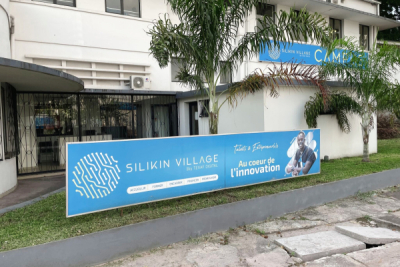
Silikin Village is an innovation hub dedicated to catalyzing growth in the Democratic Republic of Congo (DR Congo). Its primary goal is to establish a digital entrepreneurship ecosystem that provides support to both local and international partners and entrepreneurs.
Silikin Village is an entrepreneurship and innovation hub established in the heart of Kinshasa in the Democratic Republic of Congo. It is a platform dedicated to learning, entrepreneurship, and innovation, bringing together learners, project leaders, entrepreneurs, small and medium-sized enterprises, large corporations, and private and public partners interested in employability solutions.
As a catalyst for start-ups and businesses, it focuses on identifying talent and developing innovative products and services. It is led by Raymond Mendy who boasts decades of executive experience in the telecom, marketing, and even entrepreneurship industries.
Founded in 2020 by Texaf, a local company operating in the real estate, mining, and digital sectors, Silikin Village wants to become one of Africa’s largest entrepreneurial hubs. It provides entrepreneurs with modern office, training, meeting, and event spaces. The fully-equipped collaborative workspaces offer the opportunity to network with employees from other companies, including entrepreneurs, freelancers, and teleworkers.
The innovation hub offers short-term training courses focusing on technical and managerial skills. Its training programs include No-Code, developed in collaboration with Le Plan B, a no-code training platform. The program enables learners to create single and multi-page websites, generating interaction with their target audiences.
Apart from its training programs, Silikin Village also implements support programs to help entrepreneurs take their startups from the ideation to the acceleration phase. It allows them access to project structuring, strategic support, and its business network, in short to everything they need to develop their projects.
The innovation center collaborates with a multitude of institutions and agencies supporting innovation in Africa. These include Trace Congo, Kinshasa Digital Academy, Kinshasa Digital, Africa Green Power, Upsail Africa, and Ingenious City.
Melchior Koba

Unlike most of the fintech solutions sprouting across Africa, the solution chose to add Sharia-compliant products and services.
HalalVest is a fintech solution developed by a Nigerian start-up. It facilitates access to financial services such as savings, loans, investments, insurance, pensions, and payments.
As a Halal-friendly solution, the fintech works with financial institutions to help them list their Sharia-compliant products. It facilitates electronic payments and the collection of Islamic alms like zakat, sadaqah, and waqf. It aims to democratize access to interest-free financial products and services.
“We are focused on building and sustaining long-term access to ethical financial products and services. [We aim] to be a leading Non-Interest Fintech Bank in Africa and Middle East region,” the solution indicates on its web platform.
Users can sign up for HalalVest's services through their Android app by completing a specialized form. After verification, they gain access to a variety of ethical savings and investment plans from multiple providers. HalalVest serves as a convenient platform for accessing traditional financial services and more. Through their web platform and mobile app, users can conveniently transfer funds to any bank globally.
The fintech claims a thousand members and serves around 5 countries in Africa and the Middle East. According to Play Store, its mobile application has already been downloaded over 100 times.
Adoni Conrad Quenum
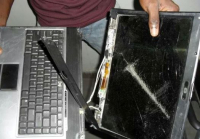
The decision is an important step to ensure education while waiting for things to get back to normal after the pro-Sonko protests.
Senegal’s public universities will adopt distance learning for some time, Minister of Higher Education Prof Moussa Baldé announced on RFM radio’s Grand Jury show last June 11.
According to the government official, the universities of Dakar and Ziguinchor were ransacked a few days earlier, so the rectors of the universities would meet to reflect on how to make a shift to distance education with “hopes that after Tabaski [June 28-29, ed note] face-to-face learning will resume.”
The University of Thiès will follow the same agenda, he added. The decision to shift back to distance teaching is taken just days after a series of violent demonstrations following the conviction of opposition leader Ousmane Sonko. During those demonstrations, infrastructure and universities were ransacked, including six faculties of the Cheikh Anta Diop University (UCAD).
Three years ago, when the coronavirus pandemic was raging, Senegalese universities tested distance learning using platforms developed by the government. They allowed learners to take courses from home, familiarizing themselves with new learning methods.
Students can take courses remotely thanks to investments being made by the government since 2013. In 2019, the Smart Education project was launched in the framework of the 2019-2035 Plan for an Emerging Senegal. The project aims to deploy tech platforms to improve teaching and learning at universities, secondary and primary schools. Over time, the government has enhanced investments in that cause.
Samira Njoya

Agriculture is one of Côte d'Ivoire's major economic sectors, and the world's biggest cocoa and cashew producer has been multiplying efforts to foster partnerships and develop this sector.
The Ivorian capital, Yamoussokro, will house a prestigious digital farming school in the coming months. The project was officially kicked off last Friday, June 9, by OCP Africa and Mohammed VI Polytechnic University (UM6P).
The new school will, according to the Minister of Higher Education, Adama Diawara, "produce high-quality human resources who will support the country's development, by tackling agricultural issues with innovative solutions, creating jobs for our graduates, and boosting entrepreneurship.
OCP Africa & @UM6P_officiel posent la 1ère pierre de la #Digital #Farming School à Yamoussoukro, en collaboration avec @inphbpolytech. Avec son approche pédagogique axée sur du Peer Learning et du Learning by farming, cette école, 1ère du genre en Afrique, sera adossée à une… pic.twitter.com/TmOfDxL014
— OCP AFRICA (@OCP_Africa) June 9, 2023
The upcoming school is valued at $4.9 million and is expected to open in the next 10-12 months. It wil be the first of its kind in Côte d’Ivoire.
The first batch of trainees should regroup 100 young AgriTech enthusiasts, according to a press release issued by OCP Africa. They will learn how to use digital tools and new farming technologies.
Also, the school will be attached to an experimental farm where the trainees will be able to put in practice and share what they learn.
The project is one of Morocco's many significant projects in Côte d'Ivoire - Projects initiated by King Mohammed VI, to bolster cooperation between the two nations.
For Côte d'Ivoire, however, the new digital farming school results from the government's efforts to develop agriculture. A sector, which, according to the African Development Bank (AfDB) is set to grow by 6.7% in 2022-2023.
Samira Njoya
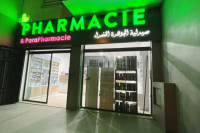
The startup behind the solution was founded by two Moroccans with decades of experience in the pharmaceutical industry. When they decided to venture into entrepreneurship, they turned to a rapidly-growing sector they knew best: pharmaceuticals.
Blink Pharmacie is a digital solution developed by Moroccan start-up Blink Pharma. It provides pharmacies with access to a marketplace where they can directly source pharmaceutical products from wholesalers and laboratories. The start-up, based in Casablanca, was founded in 2019 by Bertul Adil and Sami Khalil Mohamed Ali.
One of the main objectives of this solution is to prevent stock-outs and delivery delays. "We want to accelerate the digitalization of healthcare services [...] The healthcare sector is undergoing a profound transformation due to digital technology, and we aim to support healthcare stakeholders in this transformation. Leveraging our in-depth knowledge of the scientific and regulatory environment, as well as our background in healthcare, we have a deep respect for the ethical rules that govern the sector," says Sami Khalil Mohamed Ali.
Blink Pharmacie launched its mobile app for Android and iOS in 2020. Users can create an account on the app to access the marketplace. During the account setup process, users are required to specify their professional designation, such as pharmacist, pharmacy technician, laboratory representative, wholesaler, or visitor. These designations are then authenticated by the start-up to provide a better framework for its activities.
Laboratory representatives and wholesalers can use the app to share news about new product launches or advertising campaigns and monitor prospects in real-time. Based on the data they collect, they can adjust their marketing strategies for greater efficiency.
According to Blink Pharma, the platform currently has over 4,500 registered pharmacists, more than 41 wholesalers, and over 20 laboratories. The Android app alone has been downloaded more than 5,000 times, as reported by Play Store data.
"We faced significant challenges in authenticating pharmacists, particularly due to the regulations governing the medication supply chain. Initially, it was difficult to convince people about our idea. However, through hard work, we have successfully carved out a niche for ourselves in the market," explains Sami Khalil Mohamed Ali.
Adoni Conrad Quenum
More...

He is an economics expert with some 14 years of experience in the cereals industry. A few years ago, he co-founded an agritech company focused on the cereal segment.
Steve Hoda (photo) is a Beninese economist trained at the Faculty of Economics and Management Sciences of the University of Abomey-Calavi, where he graduated with a Master’s in Economics in 2009.
In 2017, he co-founded AfriRice, the agritech company that is now known as AfriCereal Group. His agritech company develops and implements innovative agriculture solutions, with a particular focus on cereal crops. It provides mechanization solutions for agricultural operations, offers technical assistance to farmers, and facilitates the connection of various stakeholders in the cereal industry.
The company aims to simplify agricultural tasks, minimize post-harvest losses, boost agricultural productivity, and improve farmers' incomes. With its solutions tailored to the African continent, AfriCereal Group is committed to providing safe and nutritious food worldwide. It works with non-governmental organizations and government institutions, assisting farmers in their agricultural campaigns from plowing to commercialization. It operates in the West African sub-region, particularly in Côte d'Ivoire, Burkina Faso, Togo, and Benin.
Its CEO, Steve Hoda, is the head of the agriculture commission of She is Great Benin, a program that encourages girls in STEM. He is also the coordinator of the Beninese chapter of the International Alliance for Sustainable Development Goals (AIODD). The agritech entrepreneur is an economic expert for local media outlet Le Soleil Bénin and also in charge of the management of a mini rice mill installed in Kérou, Northwestern region of Benin.
Between 2010 and 2011, he worked as an assistant to the Deputy Secretary-General for budget/program monitoring and evaluation at the Beninese Ministry of Development, Economic Analysis, and Prospective.
In 2018, AfriRice was celebrated by the FAO as one of the 20 success stories of agricultural innovations able to reduce hunger. The team was also selected by the US African Development Foundation to receive about $100,000 in grants to mechanize agricultural operations in three major rice and soybean production areas in Benin.
Melchior Koba

Despite the steady rise in the volume of funds raised by African start-ups over the past few years, gender inequalities are still very much in evidence. In the 16 months ending on April 30, 2023, start-ups led by women have raised just $119 million, representing 2.9% of the overall funding raised by African startups during the period.
African women-led startups raised a cumulative $119.05 million between January 1, 2022, and April 30, 2023, according to a report published, on June 7, 2023, by tech news portal Disrupt Africa and pre-seed investment program Madica.
Entitled "Diversity Dividend: Exploring Gender Equality in the African Tech Ecosystem", the report explains that women-led startups raised just 2.9% of the $4.05 billion raised by African startups during the period under review.
Of the 711 start-ups that raised funds, 83 were headed by women (11.7%), while 149 had at least one woman in their founding team (21%). The latter category raised $369.10 million. Nigeria tops the list of countries of origin of start-ups with at least one woman in their founding team, ahead of Kenya, South Africa, Egypt, Morocco, Ghana, and Tunisia.
The report also highlights the fact that Africa's tech landscape is largely dominated by men. Out of a total of 2,395 startups tracked by Disrupt Africa, only 350 (14.6%) were founded or co-founded by women, while only 230 (9.6%) were headed by women.
Although figures vary from one country to the other, the African start-up landscape is still a long way from being gender inclusive. No country has more than 23% of women founders. The countries with the most women founders or co-founders are, in order, Rwanda, Tunisia, Senegal, Ethiopia, and Uganda. The four most developed ecosystems on the continent (Nigeria, South Africa, Kenya, and Egypt) are not gender diversified.
The legal-tech sector tops the list of those with the most women founders and co-founders (26.9%). This is followed by healthtech (22.1%), recruitment and human resources management (22%), ed-tech (17.8%), and e-commerce (17.3%).
The report also shows that 80.8% of women think they have experienced professional prejudice because of their gender. Meanwhile, 50% of them believe they lost professional opportunities directly because of their gender, and 69.2% of the female founders also indicated that they felt negatively impacted by the fact of being women when speaking to a potential investor.

A growing number of African startups are specializing in blockchain, but they face challenges like a lack of funding, limited access to training, and widespread misconceptions associating the technology with fraud.
The majority of African blockchain startup founders believe there is no government support for blockchain in their countries, according to the “Africa Blockchain Report 2023” published in April 2023 by the think tank Africa Blockchain Institute and the non-profit Algorand Foundation.
The report is based on a survey and in-depth interviews with stakeholders in four African countries. 80.5% of the respondents reported a lack of government support for the development of this technology, whose application areas and use cases are extremely varied. Referring to the support they need, these players cited funding (58.5%), training (43.9%), entrepreneurial mentoring (29.3%), acceleration programs (26.8%), market access support (22%), and incubation programs (17.1%), among others.
The report confirms that the main challenge facing start-ups in Africa remains the lack of financing (56.1%). Insufficient access to training programs and widespread misconceptions about blockchain technology tied for second place (39%), ahead of an inadequate regulatory framework (31.7%) and a lack of incubators (17.1%).
According to the entrepreneurs surveyed, widespread misconceptions about blockchain in Africa stem from the fact that the majority of the population thinks the technology is only about crypto-currencies, and often associates it with crypto-related scams and financial fraud. Despite the lack of government support, African start-ups active in this segment are managing to develop innovative solutions.
The blockchain applications most developed by those covered by the survey are smart contracts (24.4%), identity management systems (22%), cross-border payment solutions (17.1%), cryptocurrency exchange platforms (14.6%), the creation of non-fungible tokens/NFTs (14.6%), supply chain and logistics management systems (12.2%). Other applications include advertising and marketing, anti-money laundering, and electronic voting.
Also, 58.5% of developers surveyed have been working on their applications for less than a year, while 24.4% have been working on them for more than five years. This shows that the adoption of blockchain innovations is still in its infancy in Africa, particularly when it comes to the development of use cases with a direct impact on individuals, businesses, and society as a whole. The report notes in this context that use cases for blockchain technology are much more varied in English-speaking Africa than in French-speaking Africa, where the majority of start-ups focus on the finance segment.
The Africa Blockchain Institute also points out that the majority of blockchain start-ups on the continent are still in the early stages of development. 43.9% of them are in the ideation stage and 29.3% are in the seed phase. 9.8% of these entities are already well-established and profitable, while only 2.3% are in the scaling phase.

iceaddis is a major player that is advancing tech innovation in Ethiopia. As a dynamic innovation hub, it offers a collaborative workspace, incubation programs, and a wealth of resources to support the country's entrepreneurs and innovators.
iceaddis is an Addis Ababa-based innovation and entrepreneurship center that is key in strengthening Ethiopia's tech ecosystem. It was founded in 2011 by three former GIZ (German Development Agency) staff in Ethiopia, namely Markos Lemma, Florian Manderscheid, and Oliver Petzoldt,
The heart of its ecosystem lies in its co-working space, an open environment where entrepreneurs, developers, and creatives can come together, share ideas, and collaborate on joint projects. The space fosters the creation of strong networks and stimulates entrepreneurship by offering practical support and mentoring opportunities.
In addition to the coworking space, iceaddis offers incubation programs to help start-ups turn their ideas into successful businesses. These programs offer personalized coaching, access to experienced mentors, and funding opportunities to help entrepreneurs get their businesses off the ground.
Its flagship program is ice180, a 180-day support program designed to enable high-potential entrepreneurs to start their businesses. The program aims to make startups investment-ready “with entrepreneurial knowledge skills, and a strong networking.”
iceaddis is also committed to defending the interests of technology start-ups. As one of the founding members of the i4policy community, it advocates innovative companies and start-up communities to policy-makers and regulators. The innovation center regularly organizes conferences, competitions, and hackathons, enabling participants to share knowledge, develop skills, win awards, and foster collaboration.
To date, it has supported over 190 entrepreneurs, accelerated 35 startups, and incubated 54 companies. It has also organized over 350 events, bootcamps, and hackathons in Ethiopia. The center works with local and international organizations as advisors on youth programs and joint project management in various sectors.
Melchior Koba