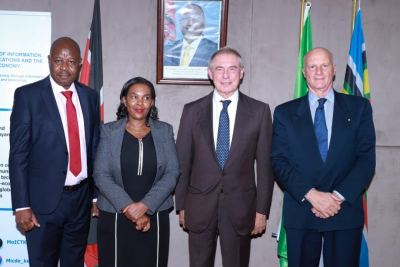


- Nigeria signed a cooperation agreement between EFCC and NASRDA to use space technology against illegal mining.
- Authorities estimate illegal mining costs Nigeria about $9 billion per year.
- The partnership remains non-operational, with no implementation timeline announced.
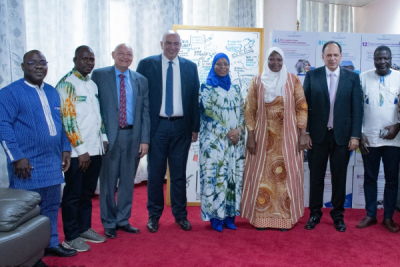
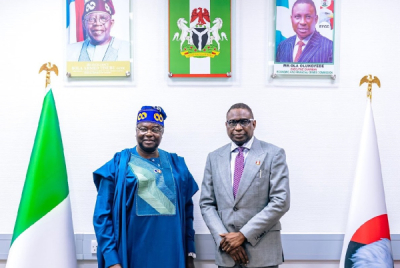
Nigeria plans to rely on space technology to strengthen the fight against crime, particularly illegal mining. On January 15, the Economic and Financial Crimes Commission (EFCC) and the National Space Research and Development Agency (NASRDA) signed a memorandum of understanding to formalize cooperation.
EFCC, NASRDA Sign MoU on Inter-agency Collaboration
— EFCC Nigeria (@officialEFCC) January 15, 2026
The Economic and Financial Crimes Commission, EFCC and the National Space Research and Development Agency, NASRDA on Thursday, January 15, 2026 formalised their resolve for inter-agency collaboration with a Memorandum of… pic.twitter.com/7oKEFT3GvA
According to EFCC Executive Chairman Ola Olukoyede, NASRDA will provide technologies designed to strengthen the commission’s investigative and asset-tracking capabilities. “With your technologies, we will access areas that our traditional means cannot reach. You know that we are engaged in investigating and prosecuting illegal mining activities. These tools will help us identify some of these areas,” he said.
The initiative follows cooperation launched in June 2025 between NASRDA and the Ministry of Steel Development. At that time, Minister Shuaibu Abubakar Audu called for replacing outdated monitoring systems with more advanced satellite-based solutions. He said Nigeria’s steel sector, despite strong potential for economic transformation and industrialization, continued to face structural challenges, including illegal extraction and limited reliability of data provided by some operators.
“These practices weaken the country’s economic potential and complicate regulatory efforts as well as long-term planning,” he said. Authorities estimate that illegal mining causes annual losses of about $9 billion for Nigeria.
However, authorities stated that both agencies have so far agreed only on the principle of cooperation. Officials have announced no specific timeline for operational implementation of the memorandum. Nonetheless, Olukoyede said the EFCC will establish a dedicated team to monitor implementation and conduct periodic evaluations of the partnership’s effectiveness.
This article was initially published in French by Isaac K. Kassouwi
Adapted in English by Ange Jason Quenum