




La Rédaction
Raji Kudus Adewale coache les talents de la data et de l’IA

Alors que les métiers de la donnée et de l’intelligence artificielle s’imposent partout, s’orienter dans cet écosystème reste un parcours du combattant. C’est pour répondre à ce défi de taille que ce Nigérian a conçu une plateforme stratégique dédiée à l’accompagnement des carrières.
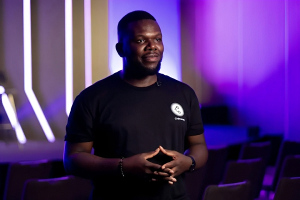
Raji Kudus Adewale (photo) est un data product manager et entrepreneur nigérian. Il est le fondateur et responsable produit de DeDataHub, une plateforme conçue pour accompagner les personnes souhaitant évoluer dans les secteurs de la donnée et de l’intelligence artificielle.
Fondée en 2024, DeDataHub est née d’un constat clair : face au manque d’accompagnement, de visibilité sur les opportunités et de soutien professionnel, de nombreux talents abandonnent leur reconversion dans la tech. Pour y remédier, la start‑up aide les apprenants et les professionnels à décrypter le marché du travail, à monter en compétences et à bâtir une stratégie de carrière alignée sur leurs ambitions.
La plateforme se distingue par un accompagnement de haut niveau, démocratisant des conseils jusqu’alors réservés aux réseaux professionnels fermés ou aux consultants spécialisés. L’objectif est de permettre aux utilisateurs de cerner précisément les attentes des recruteurs, d’identifier les compétences clés et de maximiser leur employabilité.
DeDataHub propose plusieurs outils destinés à accompagner les utilisateurs dans leur progression. Parmi eux figurent des conseillers virtuels capables de suggérer des parcours adaptés au profil et aux objectifs de chaque utilisateur. La start‑up indique également offrir des recommandations de compétences, des analyses des offres d’emploi, des retours sur les projets réalisés et un accompagnement pour préparer les entretiens professionnels.
Un autre aspect mis en avant par la plateforme concerne le suivi du marché de l’emploi. DeDataHub affirme analyser les besoins des recruteurs afin d’aider les utilisateurs à apprendre les compétences les plus demandées et éviter de perdre du temps sur des sujets moins utiles pour leur carrière.
Parallèlement à DeDataHub, Raji Kudus Adewale anime depuis 2024 le podcast Tech Journey With DeDataDude. À travers des partages d’expériences et des témoignages inspirants, il y propose des plans d’action concrets pour réussir dans l’écosystème technologique. Expert chevronné, il occupe actuellement le poste de responsable produit chez JPMorganChase, le géant financier américain.
Raji Kudus Adewale est diplômé en 2019 de l’Université fédérale de technologie d’Akure (FUTA), où il a obtenu un Bachelor en télédétection et systèmes d’information géographique. Il a ensuite complété son cursus par un Master en gestion des affaires internationales à l’Université Glasgow Caledonian en Écosse.
Avant de se lancer dans l’entrepreneuriat, il a notamment travaillé comme data scientist chez Milsat (2023–2024), une entreprise nigériane spécialisée dans la donnée. Parallèlement, il a été ingénieur en solutions d’IA générative chez Dana Consulting, un cabinet américain de services et conseil aux entreprises.
Melchior Koba
Lire aussi:
Avec Winich Farms, Riches Attai relie directement les producteurs et le marché
Digital Africa launches $57 mln fund for overlooked African tech markets

Digital Africa, a French-backed initiative, is launching a $57 million fund to support African tech startups in 20 underserved markets often overshadowed by hubs such as Nigeria and Kenya. The fund will focus on early-stage ventures in healthcare, artificial intelligence and climate-related technologies.
L'Oréal lance un concours pour les start-up technologiques de la beauté

Le groupe L’Oréal ouvre les candidatures de son programme d'innovation pour les entreprises d'Asie, du Moyen-Orient et d'Afrique du Nord. Les start-up spécialisées dans l'intelligence artificielle ou le développement durable ont jusqu'au 3 juillet 2026 pour postuler. Les gagnants pourront tester leur technologie avec de grandes marques internationales, bénéficier d'un mentorat et déployer leurs solutions sur trente-cinq marchés mondiaux pour transformer l'avenir de la beauté.
Lire aussi:
Nigeria : Paga et Sui s'associent pour lancer des paiements en monnaie numérique
Nigeria : JuiceMe rachète Ajiraworks pour faciliter l'emploi en Afrique

L'entreprise JuiceMe a annoncé, le mercredi 13 mai, avoir acquis la société Ajiraworks afin d'accélérer son déploiement en Afrique. Catherine Ochako, fondatrice d'Ajiraworks, rejoint la direction pour piloter ce projet. Cette union permet aux entreprises internationales de recruter, payer et gérer des employés locaux en toute légalité et simplicité. Grâce aux systèmes d'Ajiraworks déjà testés, JuiceMe devient un partenaire clé pour les sociétés souhaitant s'implanter rapidement et sereinement sur le continent africain.
Lire aussi:
Accelerate Africa : les candidatures pour la 5e cohorte ouvre jusqu'au 25 juillet
Happy Pay et Ozow s'allient pour proposer le paiement échelonné en Afrique du Sud

La fintech Happy Pay a annoncé le mercredi 13 mai son association avec Ozow pour proposer le paiement échelonné aux commerçants sud-africains. Grâce à cet accord, les clients peuvent désormais échelonner leurs achats en plusieurs mensualités, sans dépôt ni intérêts. Le système s'installe instantanément sur les sites de vente, permettant aux boutiques d'attirer de nouveaux acheteurs tout en offrant une solution de paiement flexible, sécurisée et totalement gratuite pour les consommateurs.
Lire aussi:
Women in Tech Accelerator : les inscriptions sont ouvertes jusqu’au 30 juin
Yoco et Apple lancent le paiement sans contact sur iPhone en Afrique du Sud

La société Yoco a annoncé le mardi 12 mai s’être associée avec Apple pour permettre aux commerçants sud-africains d'accepter des paiements directement sur leur iPhone. Grâce à cette technologie, plus besoin de terminal de paiement : il suffit de l'application Yoco pour encaisser des cartes bancaires ou des portefeuilles numériques par simple contact. Cette innovation simplifie la vie des 200 000 petites entreprises partenaires en réduisant les frais de matériel et les obstacles techniques.
Lire aussi:
Le Nigérian Jiji s'étend en Asie avec le rachat du leader bangladais Bikroy
La fintech nigériane Chimoney ferme ses portes et rembourse ses clients
La jeune entreprise Chimoney, qui permettait aux entreprises de payer des prestataires à l'international, cesse ses activités faute de capitaux suffisants. Depuis le 1er mai 2026, toutes les transactions sont interrompues. La direction s'engage à rendre chaque dollar à ses clients : un tableau de bord permet de récupérer ses fonds jusqu'au 31 août prochain. Son fondateur reconnaît avoir privilégié le développement technique au détriment de la recherche de clients.
Lire aussi:
Guinée : Cauridor lève 2 millions de dollars pour faciliter les transferts d'argent
Le Liberia se dote d’un laboratoire de cybersécurité et d’investigation numérique

Les pays africains misent de plus en plus sur le numérique pour soutenir leur développement socio-économique. Pour y parvenir, ils doivent investir davantage dans la cybersécurité.
Le Liberia s’est doté d’un laboratoire de cybersécurité et d’investigation numérique. Le dispositif vise à renforcer les capacités du pays face à la montée des menaces cybernétiques.
Une délégation de la CEDEAO a effectué une visite d’inspection de l’infrastructure le mardi 12 mai. L’organisation sous-régionale a ainsi évalué le niveau de conformité et de performance du laboratoire, dans le cadre de son dispositif de suivi et d’évaluation des initiatives liées à la cybersécurité dans les États membres, conformément à sa stratégie régionale en la matière.
Une infrastructure de pointe dédiée à la cybersécurité
Selon le ministère des Postes et Télécommunications, le laboratoire est équipé d’outils de criminalistique numérique de dernière génération, de systèmes de surveillance des menaces en temps réel, de capacités avancées de réponse aux incidents, ainsi que d’équipements spécialisés de formation. « Ce laboratoire de classe mondiale renforce considérablement la capacité du pays à enquêter sur les cybercrimes, à récupérer des preuves numériques, à analyser les menaces et à se défendre contre les risques cyber émergents », indique le ministère dans un communiqué publié sur Facebook.
Un précédent communiqué du ministère datant de 2024 lors du lancement du projet précisait que le laboratoire serait structuré en deux principales sections : une cellule de réponse aux incidents informatiques (CERT) et une unité de criminalistique numérique. La première sera chargée de répondre aux menaces numériques, notamment les cyberattaques et tentatives de piratage, tout en assurant la surveillance des systèmes, l’atténuation des risques et la formation des acteurs de la sécurité. La seconde sera dédiée aux enquêtes, permettant aux forces de l’ordre de collecter et analyser des preuves numériques dans des affaires telles que la fraude financière ou le trafic de drogue.
Un projet soutenu par la CEDEAO depuis 2019
Les prémices de cette initiative remontent à 2019, lorsque la CEDEAO s’était engagée à fournir au Liberia environ 400 millions de dollars d’équipements de criminalistique numérique, sous réserve de la mise à disposition d’un site adapté. Toutefois, des retards liés à l’acquisition de 100 000 dollars destinés aux travaux de rénovation ont freiné sa mise en œuvre pendant plusieurs années. Le projet a néanmoins connu une accélération en 2024, notamment sous la houlette du président Joseph Boakai.
Cette initiative s’inscrit dans les efforts des autorités pour sécuriser le cyberespace national dans un contexte marqué par la montée des menaces numériques. Dans son « Cybercrime Africa Cyberthreat Assessment 2025 », Interpol souligne que l’essor des services numériques, des réseaux sociaux, du commerce en ligne et de la banque mobile a favorisé l’expansion de la cybercriminalité en Afrique. Le rapport indique que celle-ci représente plus de 30 % des infractions signalées en Afrique de l’Ouest et de l’Est en 2024, tandis que les pertes financières cumulées sur le continent entre 2019 et 2025 sont estimées à plus de 3 milliards de dollars.
Dans ce contexte, l’Union internationale des télécommunications (UIT) appelle les États à renforcer leurs dispositifs de cybersécurité afin de tirer pleinement parti des opportunités du numérique. Elle classe actuellement le Liberia à l’avant-dernier niveau de son Indice global de cybersécurité (2024), saluant des progrès en matière de cadre réglementaire et de coopération, mais pointant encore des insuffisances sur les plans technique, organisationnel et du développement des compétences.
Isaac K. Kassouwi
Edité par Sèna D. B. de Sodji
Lire aussi:
Le Liberia annonce une formation sur la création de contenus pour Meta et TikTok
Guinée : Cauridor lève 2 millions de dollars pour faciliter les transferts d'argent

La fintech guinéenne Cauridor a reçu un investissement de 2 millions de dollars pour moderniser les transferts d'argent en Afrique. Sa technologie connecte les géants mondiaux comme Western Union aux banques locales et aux réseaux de paiement mobile. L'objectif est de réduire les frais élevés et de rendre les envois de fonds plus rapides vers l'Afrique de l'Ouest et centrale, au bénéfice de millions de familles.
Lire aussi:
L'Eswatini lance la Coupe du monde des startups pour sa jeunesse
Le Nigérian Jiji s'étend en Asie avec le rachat du leader bangladais Bikroy

La plateforme nigériane de petites annonces Jiji, basée au Nigeria, a racheté Bikroy, le numéro 1 du secteur au Bangladesh. C’est la première fois que l’entreprise africaine s’implante hors du continent. Grâce à cette acquisition, Jiji renforce sa position mondiale et apporte sa technologie pour moderniser les ventes en ligne dans ce pays de 170 millions d'habitants, tout en conservant la marque locale bien connue des utilisateurs.
Lire aussi:
Kenya : bénéfices record pour Watu grâce au financement de téléphones